
Christine in the news: 2020 Women's March
North Country Public Radio quoted Christine on the importance of volunteering, organizing and participating in elections.
Read the North Country Public Radio article
The legacy of the 19th Amendment, women's political participation, and the continuing struggle for equal rights.
Women's political power · 1920–2020 and beyond
The 2020 centennial of the 19th Amendment was an opportunity to celebrate the movement that changed the law and confront the exclusions that remained. Ratification prohibited denying the vote on the basis of sex, but many Black women and other women of color still faced discriminatory barriers to voting.
For Christine, women's political participation connects to grassroots organizing, reproductive freedom, campaign leadership and survivor advocacy. These selected photographs are from her wider women's-rights and reproductive-justice archive.
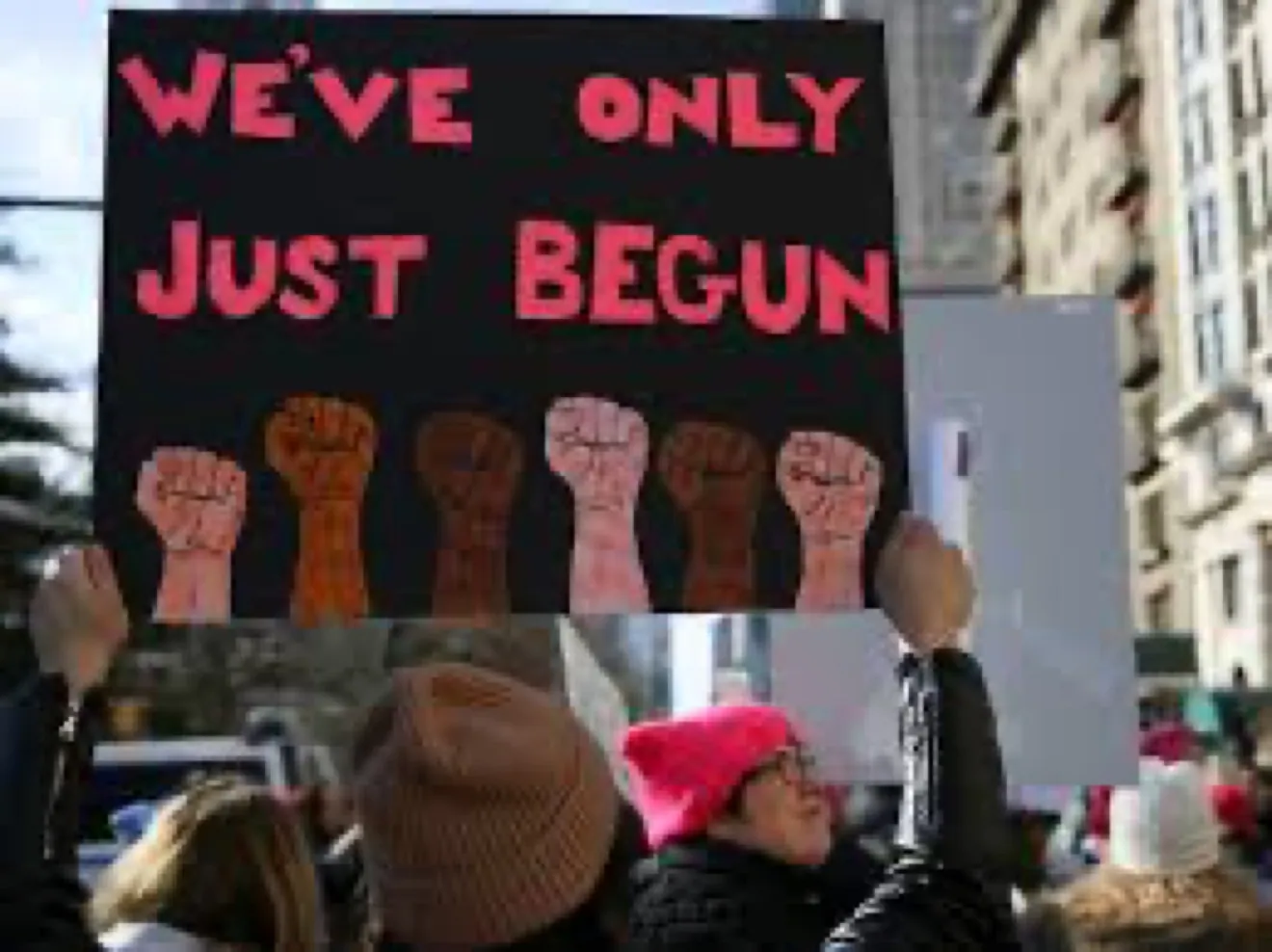
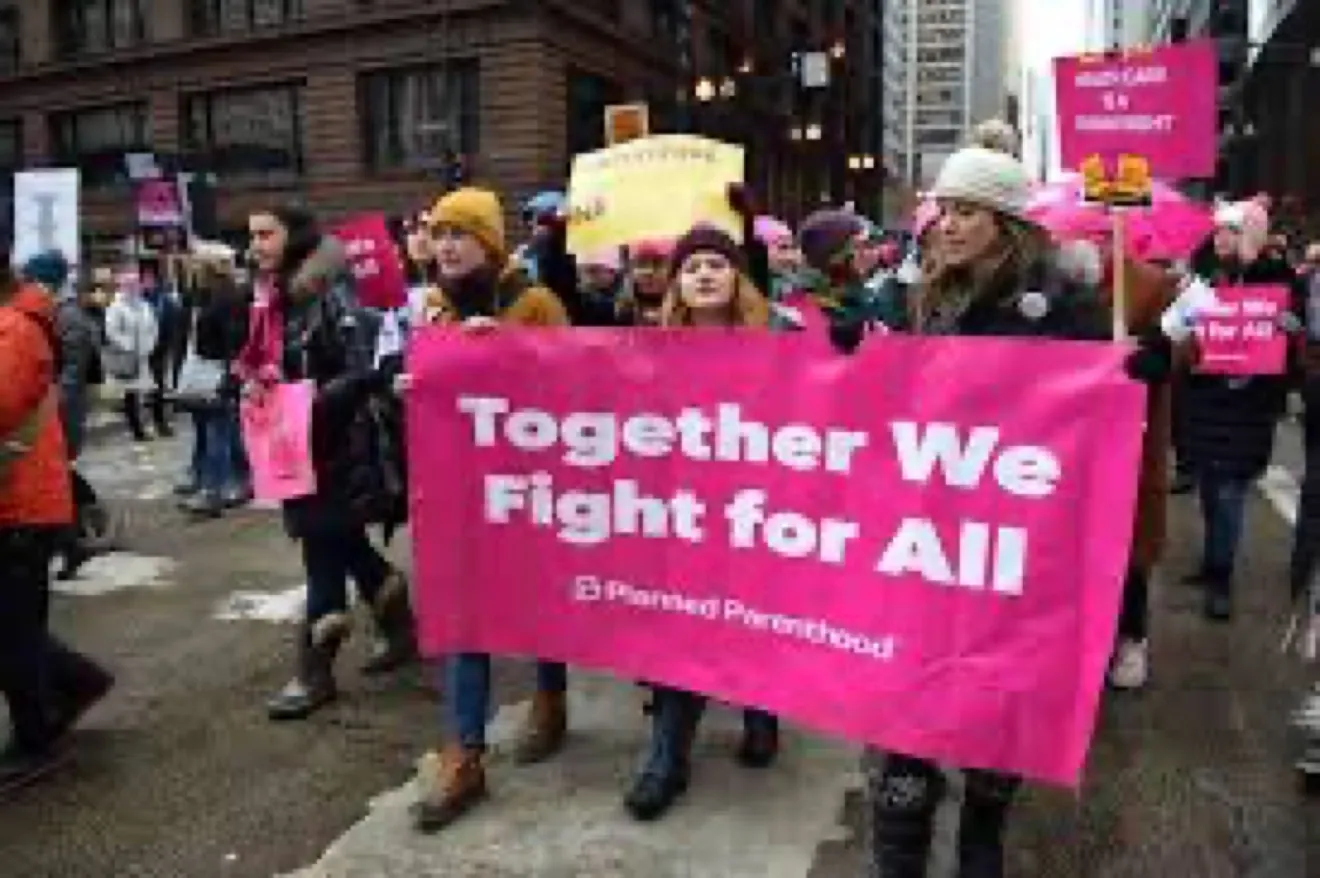
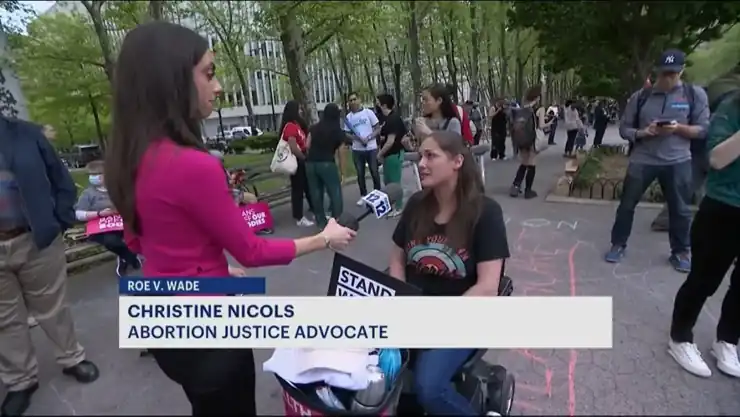
North Country Public Radio quoted Christine on the importance of volunteering, organizing and participating in elections.
Read the North Country Public Radio articleThe Museum of the City of New York examines the centennial and its incomplete legacy. This is a historical reference, not an article about Christine.
Read the centennial historyA continuing movement
The women's rights convention adopted the Declaration of Sentiments and made political equality an organizing demand.
New York's referendum extended voting rights to women before the federal amendment, following decades of organizing.
The amendment barred vote denial on account of sex. In practice, discrimination still prevented many women of color from voting.
Voting-rights legislation and organizing challenged discriminatory barriers. Modern voter education, registration and political engagement remain essential.